Park Place Dental Group
Dentistry & Cosmetic and Restorative
Dentistry located in Arts Section, Newark, NJ
You finish a professional whitening session and your smile looks noticeably brighter — but a friend who had the same treatment walked out with dramatically different results. That gap isn't random. Our previous guide, “Teeth Whitening in Newark: What to Know Before Treatment”, covered how to prepare for a whitening appointment — this post goes deeper into why outcomes vary and what actually drives them.
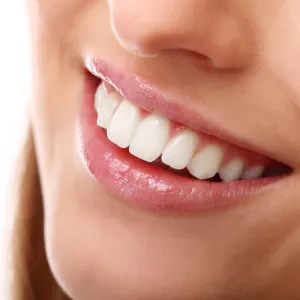
TL;DR — Your Whitening Outcome Depends on More Than the Gel
Professional teeth whitening works differently for every patient because enamel thickness, stain origin, and treatment type all shape the final result.
- You learn which stain types respond best — and which ones don't
- You understand how enamel health affects how bright your smile can get
- You see why in-office treatment consistently outperforms store-bought kits
- You discover how to maintain results longer after treatment
- You know exactly what to discuss at your whitening consultation
The Factors That Determine How White Your Teeth Can Get
Every whitening case is different, and understanding the variables below helps set realistic expectations before treatment begins.
-
The Type of Stain You Have
Not all discoloration responds equally to whitening agents. Surface stains from coffee, tea, red wine, and tobacco are extrinsic — meaning they sit on the outer enamel layer — and these tend to respond very well to professional teeth whitening in Newark. Intrinsic stains, which originate inside the tooth from factors like certain medications or trauma, are more resistant and may require alternative cosmetic treatments.
-
Enamel Thickness and Tooth Sensitivity
Thinner enamel means the whitening agent has less surface to work with, and it also increases the likelihood of post-treatment sensitivity. Our dental care team assesses enamel condition before any whitening is performed, and we adjust the strength of the whitening agent accordingly. Patients who visit us as their Essex County dentist in Newark often arrive having already tried store-bought kits that left them with uneven results or discomfort — a direct consequence of one-size-fits-all products not accounting for individual enamel health.
-
In-Office vs. At-Home Treatment
The concentration of the whitening agent makes a significant difference in outcomes. According to the American Dental Association, professionally administered whitening treatments use higher-concentration peroxide gels that penetrate enamel more effectively than consumer products — delivering faster, more even results.
-
Existing Dental Restorations
Crowns, veneers, bonding, and tooth-colored fillings do not respond to whitening gel the way natural enamel does. This is one of the most common points of confusion our dental team addresses during consultations. A patient who whitens their natural teeth without accounting for existing restorations can end up with a mismatched smile. Anyone looking for a dental clinic should confirm this with their provider before booking a whitening session.
-
Post-Treatment Care and Maintenance
How long results last depends heavily on what happens after the appointment. Avoiding stain-causing food and drinks in the first 48 hours after treatment is critical — the enamel pores remain open during that window and absorb pigment more readily. Our dental office also provides professional take-home whitening kits and pens for ongoing maintenance between in-office sessions, so patients can protect their results without booking a full appointment each time.
Ready to understand exactly what your whitening results could look like? Call us at 973-732-3208 or visit our dental office to book a full evaluation before your first session.
Questions Patients Ask About Whitening Results in Newark
Will whitening work if I have sensitive teeth?
Many patients with sensitivity can still receive whitening treatment safely. Our dental team uses desensitizing products before and after the procedure to minimize discomfort. We select whitening formulas based on your enamel condition, so the approach is adjusted specifically for you — not a general protocol.
Can whitening fix all types of discoloration?
Professional whitening works best on extrinsic stains from food, drinks, and tobacco. Intrinsic staining from medication, injury, or aging inside the tooth may not respond fully to bleaching gel. In those cases, our dental practice may recommend veneers or other cosmetic solutions.
How long do professional whitening results actually last?
With proper care, in-office whitening results typically last between six months and two years. Avoiding stain-causing foods, maintaining good oral hygiene, and scheduling touch-up treatments helps extend that window significantly.
Does whitening damage enamel?
When performed under professional supervision, whitening does not damage enamel. Our dental team follows safe application protocols and monitors every step of the process to protect your tooth structure throughout treatment.
What if I had whitening done but my results faded quickly?
Rapid fading often points to continued exposure to staining agents, thinner enamel, or use of a lower-concentration product. Our team can review your whitening history and recommend a more durable in-office approach or a maintenance plan using our professional take-home whitening kit.
Getting the Smile Result You're Actually Expecting
Whitening works — but the outcome you get depends on going in with the right information and the right provider. As a trusted cosmetic dentist in Newark, our dental practice has served patients from across Essex County with personalized cosmetic dental care, and we apply that same patient-first approach to every whitening consultation. Whether you've tried over-the-counter products that fell short or you're exploring professional teeth whitening for the first time, our team is here to guide you to results that match your smile goals. Call Park Place Dental Group at 973-732-3208 to book your consultation today.