Park Place Dental Group
Dentistry & Cosmetic and Restorative
Dentistry located in Arts Section, Newark, NJ
If you are exploring dental implants in Newark, you may hear the phrase "bone graft" early in the conversation. That can sound intimidating, but it is often simply a planning step that helps make an implant more stable and predictable.
The key idea is straightforward: a dental implant needs enough healthy bone around it to support healing and long-term function. When bone volume is thin or has changed after a missing tooth, grafting can help rebuild the foundation.
At Park Place Dental Group, our team sees that many patients are not actually afraid of implants, they are worried about uncertainty. A clear exam and the right imaging usually turns "Do I need a bone graft?" into a practical, answerable question.
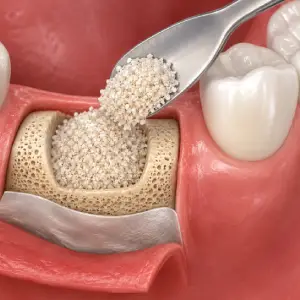
TL;DR - When A Bone Graft Helps You Move Forward
A bone graft before implants is not a "bad news" verdict. It is a common way to improve support when bone has thinned after tooth loss, gum disease, or certain extractions.
- Bone loss is common after a tooth is missing, especially if it has been a while.
- Imaging matters because it measures bone height, width, and nearby anatomy.
- Socket preservation may be recommended right after an extraction to limit shrinkage.
- There are multiple graft options, from small ridge repairs to larger rebuilds.
- Many patients still qualify for implants once the foundation is prepared.
Why Bone Volume Matters For Dental Implants Newark NJ Patients
A dental implant is designed to integrate with your jawbone. For that to happen, there needs to be enough bone in the right shape and quality. If the ridge is too narrow, too short, or uneven, an implant may not have the stability it needs at placement, or it may be too close to nearby structures.
Bone changes can happen quietly. You might feel fine, but the ridge under the gum can remodel after a tooth is removed or lost. This is one reason why timing and planning matter when you want a long-term replacement.
Signs You Might Need A Bone Graft (And Signs You Might Not)
Only an in-person exam can confirm whether grafting is needed, but these patterns often prompt a closer look.
Situations That Often Mean Bone Should Be Evaluated Carefully
- The tooth has been missing for a long time and the area looks or feels "sunken."
- History of gum disease, especially if there has been bone loss around other teeth.
- Previous denture wear in the area, which can be associated with ridge changes over time.
- Prior difficult infection or damage around the tooth before it was removed.
- You have had multiple teeth removed and want implant support for a restoration.
Situations Where Grafting May Be Minimal Or Not Needed
- Recent tooth loss with good surrounding bone levels and healthy gums.
- Strong, thick ridge anatomy at the implant site.
- When the plan uses existing bone strategically based on imaging and bite forces.
How Imaging Determines If You Need A Bone Graft In Newark
The most helpful part of the implant workup is usually the measurement phase. Dental imaging helps us understand what is happening under the gumline, not just what the site looks like on the surface.
What The Team Is Looking For On Scans And X-Rays
- Bone height: How tall the ridge is in the planned implant area.
- Bone width: Whether there is enough thickness to safely surround the implant.
- Bone contour: Whether the ridge shape supports an implant in an ideal position.
- Site health: Signs of prior infection, inflammation, or defects that may affect stability.
- Nearby anatomy: Space and safety around adjacent teeth and key structures.
If you recently had or are planning a removal, our tooth extractions in Newark page explains why the extraction site and surrounding bone are part of the long-term replacement conversation.
Common Bone Graft Options Before Implants
"Bone graft" is a broad term. The recommendation can range from a small, preventive graft to a more involved rebuild, depending on what imaging shows and what type of implant restoration is planned.
Socket Preservation (At The Time Of Extraction)
Socket preservation is often considered when a tooth is removed and the plan is to replace it later with an implant. The goal is to help maintain ridge shape as the site heals. This can reduce the chance of needing a larger graft later.
Ridge Augmentation (Rebuilding Width Or Contour)
If the ridge is thin or uneven, ridge augmentation may be recommended to rebuild bone volume so the implant can be placed in a healthier, more stable position.
When Gum Health Is Part Of The Implant Plan
Bone loss is sometimes connected to gum disease. If that is part of your history, a consultation with a periodontist in Newark may be helpful to stabilize the foundation before or alongside implant planning.
Will A Bone Graft Delay My Implant?
It can, but not always. The timeline depends on the size and location of the graft, the health of the site, and whether the implant can be placed with adequate stability. In some cases, the graft is a small preventive step done at extraction. In other cases, a healing period is recommended so the bone can mature before implant placement.
If your goal is a realistic path to replacing a missing tooth, our implant restoration page explains how the implant and the final tooth replacement work together once the foundation is ready.
Questions Patients Ask When They Hear "Bone Graft"
Is A Bone Graft Painful?
People often expect the worst, but many describe grafting as manageable and similar to other common dental procedures. The bigger issue is usually post-procedure care and protecting the site while it heals. We review home-care instructions and follow-up visits so you know what to watch for.
Can I Skip The Graft And Still Get An Implant?
Sometimes imaging shows enough bone to proceed without grafting. But if the bone is not sufficient, skipping the graft can compromise stability or limit ideal implant positioning. The goal is to do what is safest and most supportive for long-term function.
How Do I Know If I Have Bone Loss?
Bone loss is not always visible or painful. That is why a comprehensive evaluation matters, including a clinical exam and appropriate imaging. If you have not had a recent exam, starting with a comprehensive dental examination is a practical first step.
FAQs
What are common signs I might need a bone graft before implants?
A bone graft may be recommended if there has been significant bone loss after a missing tooth, advanced gum disease, or a long time since an extraction. The most reliable way to know is through an exam and imaging that evaluates bone height, width, and anatomy.
How do dentists check if there is enough bone for a dental implant?
A dentist evaluates the site with a clinical exam and dental imaging. X-rays help assess bone levels and nearby structures, and additional imaging may be used to measure bone dimensions and plan implant placement safely.
Can I get an implant the same day as a tooth extraction?
In some cases, an implant may be placed at the time of extraction, but it depends on infection status, bone stability, and bite forces. Many patients benefit from socket preservation or a short healing period first. Your dentist can explain the safest timing for your situation.
Does a bone graft mean I am not a candidate for dental implants?
Not at all. A bone graft is often a pathway to become a stronger implant candidate by rebuilding support. Many people who lack bone initially can still move forward with implants after the right preparation and healing.
Which type of dental specialist handles bone loss and grafting?
Depending on the case, bone and gum concerns may be managed by a general dentist, an oral surgeon, or a periodontist. If gum disease or bone loss is a factor, a periodontist may be involved to help stabilize the foundation before implant treatment.
Related Reading
Next Step: Get A Clear Answer Based On Your Imaging
If you are considering dental implants and want to know whether a bone graft is part of your plan, the most efficient step is a targeted evaluation with imaging and a personalized treatment discussion. Your recommendations should match your anatomy, your gum health, and your goals for the final tooth.
Call Park Place Dental Group to schedule an implant evaluation: 973-732-3208
Prefer to start with the basics? You can also review our low radiation digital X-rays page to understand how imaging supports treatment planning.
Author: Myung Hae Hyon D.D.S